
Add Row
Add Element
UPDATE
Add Element
  • Home
  • Categories
    • Health
    • Wellness
    • Celebrity Gossip
  • Healthy Recipes
  • Med Spa Treatments
  • Skin Care
  • MakeUp
  • Medspa spotlight
June 09.2025
3 Minutes Read

Discover the Best Hoka Shoes for Walking: Comfort and Performance Await

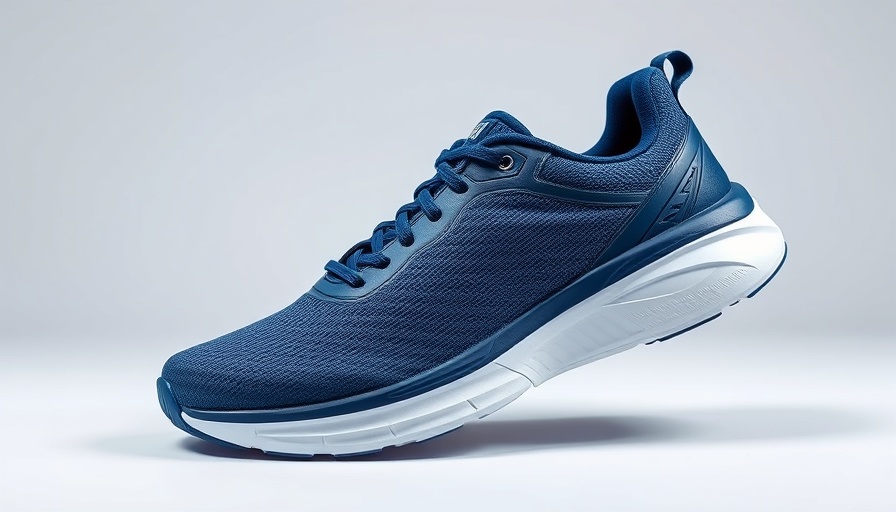
Navy blue Hoka walking shoe, side view, best Hoka shoes for walking.

Step into Comfort: The Rise of Hoka Shoes

Hoka shoes have gained a devoted following among casual walkers and fitness enthusiasts alike, thanks to their unique combination of plush cushioning and innovative design. For men looking to enhance their walking experience, Hoka sneakers offer a variety of options tailored to different needs. With their MetaRocker technology, these shoes help propel your foot forward, reducing strain on joints and providing a smoother walking experience. Whether you're navigating city streets or local trails, Hoka shoes promise comfort and support.

What to Look for in Walking Shoes

When choosing Hoka shoes for walking, consider key factors such as support, stability, and fit. The Clifton 10 is highly regarded for its lightweight design and ample cushioning, making it an ideal choice for those new to Hoka sneakers or those needing a reliable everyday walking shoe. However, shoe selection can be subjective; some may prefer the robust cushioning of the Bondi model, while others might find its height a bit cumbersome. Make sure to also assess your foot type, as Hoka offers a breadth of size options including regular and wide widths to better accommodate different foot anatomies.

Top Recommendations for Hoka Walking Shoes

Here's a closer look at some of the best Hoka shoes for walking that cater to various tastes and needs:

  • Hoka Clifton 10: This model is celebrated for its balance of lightweight feel and robust cushioning, making it the best overall walking shoe. The EVA foam midsole provides exceptional comfort without compromising on support.
  • Hoka Transport: Renowned as the perfect everyday sneaker, the Transport is designed for comfort, ready for anything from casual outings to light runs.
  • Hoka Mafate X: Ideal for trail enthusiasts, this shoe delivers unmatched traction and stability on rugged terrains, helping you step confidently on every hike.

Future Trends in Walking Shoes

As fitness enthusiasts increasingly prioritize comfort, the demand for cushioned footwear that supports a healthy, active lifestyle is poised to rise. Hoka's distinct focus on foot biomechanics is likely to invite more innovations in shoe design that cater not only to walkers but also to those with foot conditions. Expect further advancements in materials and technology to enhance the durability and responsiveness of shoes.

Practical Insights for Better Decisions

To ensure you make the best decision when investing in Hoka shoes, take the time to try on different models, walk around in them, and note how they feel. Pay attention to your foot's reaction to the shoe's height and cushion level; your experience can vary based on personal preferences and walking habits. Inquire about return policies or exchange options, as this allows you to find the perfect fit without feeling rushed.

Actionable Advice for Walking Enthusiasts

Incorporating Hoka shoes into your walking routine can significantly impact your comfort and performance. Pay attention to your body's feedback. If you experience discomfort, don't hesitate to switch to a different model or adjust your walking technique. Remember, the right footwear can inspire you to explore further, making every walk a delightful experience.

For those ready to join the Hoka movement and enhance their walking game, consider exploring our top picks today. Don’t let the opportunity pass to experience the exceptional comfort of Hoka footwear!

Health

0 Comments

Write A Comment

*
*
Related Posts All Posts
02.12.2026

Uncover the Secrets of Personalized Vitamin D for Your Health

Update Why a Personalized Approach to Vitamin D is Essential When it comes to vitamin D supplementation, a one-size-fits-all strategy just won't cut it. As we dive into the complexities of vitamin D, various factors like genetics, ethnicity, body weight, and overall health emerge as pivotal influencers of an individual's needs. Too often, guidelines suggest the same dosage for everyone, ignoring how unique each person's situation is. Understanding the Complexities of Vitamin D Needs Studies indicate substantial differences in vitamin D levels across different ethnic groups. For instance, individuals of Asian descent typically exhibit lower levels compared to their white counterparts. Furthermore, body mass index (BMI) plays a significant role; those with higher BMI have been shown to have lower vitamin D concentrations due to decreased absorption from sunlight and dietary sources. Take someone with obesity, for example. They might require considerably higher doses to achieve adequate vitamin D levels because their body may sequester this fat-soluble vitamin in its fat compartments, making it less available. This notion reinforces the need for personalized strategies based on one's unique health profile. As people age, their skin’s capacity to synthesize vitamin D from sun exposure diminishes, making vigilance in monitoring levels even more crucial. Optimal Blood Levels and Health Risks But what constitutes an optimal vitamin D level? The common reference range in the U.S. sits between 30 to 74 nanograms per milliliter. Yet, some researchers advocate for a higher range, emphasizing that anything above 70 could lead to potential risks of toxicity, including kidney stones and cardiovascular issues. Understanding the U-shaped risk curve associated with vitamin D levels is vital. While low levels present clear risks, equally high levels can be harmful. Therefore, individual assessments and ongoing testing should guide supplementation. This ensures you achieve a therapeutic range that promotes well-being without veering into dangerous territory. Nutrient Interactions That Matter A comprehensive approach to vitamin D isn’t just about supplementing with the vitamin itself. The interplay with magnesium, vitamin K2, and vitamin A is crucial. For example, magnesium acts as a regulator of vitamin D metabolism, showing that adequate magnesium levels could adjust deficiencies in vitamin D. Similarly, vitamin K2 is essential for directing calcium properly in the body, which complements the benefits of vitamin D in bone health and cardiovascular support. Addressing Underlying Health Conditions Chronic health conditions such as inflammatory bowel disease (IBD) extensively affect vitamin D absorption, leading to potential deficiencies. Thus, individuals with conditions like Crohn's disease must monitor their vitamin D levels more closely and often require tailored supplementation strategies. The emerging consensus in medical literature stresses that standard vitamin D guidelines were never intended for those with complex health profiles. The Importance of Sun Exposure Those health concerns remind us that sunlight is not just about vitamin D; it has multiple health benefits such as reducing blood pressure and enhancing mood through the release of various compounds that improve vascular function and metabolic processes. Health enthusiasts should emphasize strategic sun exposure to utilize its full benefits, fostering overall wellness beyond supplementation. Personalizing Your Supplement Intake As we wrap up our exploration of vitamin D, let’s talk supplementation. Individuals should adjust their vitamin D intake based on their blood level readings, ethnicity, body weight, age, and health status. If you start with levels below 20 nanograms per milliliter, you might need higher doses along with dietary sources rich in vitamin D, like fatty fish and fortified products. In contrast, if your levels hover around 40 to 60 nanograms, maintaining that might be sufficient. The key insight is to 'test, don't guess'—conducting regular screenings will better inform your personal supplementation strategy. Make Informed Health Choices It’s crucial to recognize that vitamin D optimization requires a thorough understanding of your body's specific needs. By prioritizing personalized approaches, you enhance not only your health outcomes but also overall quality of life. This knowledge equips you with the tools necessary to make informed choices regarding your health. If you're ready to take control of your health and optimize your vitamin D levels, consider individualized nutrient testing and consultation with your healthcare provider. Embrace a tailored approach, understand your body, and thrive.

01.28.2026

Unlock Better Metabolism: Why Sustained Cold Exposure Beats Extreme

Update Why Staying Mildly Cold is the Secret to Enhanced Metabolic Health In recent years, the trend of cold exposure has taken the wellness world by storm. Social media is filled with videos of individuals plunging into icy waters for the promise of health benefits. However, as health-conscious individuals seek optimal ways to enhance their well-being, it’s crucial to understand the mechanisms at play in cold exposure and its effects on our metabolism. Understanding Brown Adipose Tissue: The Metabolic Powerhouse At the heart of the discussion on cold exposure is brown adipose tissue (BAT), a form of fat that burns calories instead of storing them. Unlike its counterpart, white fat, which stores energy, brown fat is metabolically active and contributes to thermogenesis—the process of heat production in the body. Research indicates that sustaining mild cold exposure activates more brown fat compared to extreme cold exposure. This is vital because the latter often triggers a stress response that can limit the health benefits traditionally associated with cold plunges. Shivering: The Essential Element of Cold Exposure Shivering is not merely a reaction to cold; it’s a significant metabolic signal. When we shiver, our body undergoes a series of physiological adaptations that boost caloric expenditure and improve glucose metabolism. According to research, shivering facilitates glucose uptake in skeletal muscles, making it a natural ally for managing blood sugar levels and supporting metabolic health, particularly for those at risk of conditions like type 2 diabetes. Actionable Insights: How to Implement Mild Cold Exposure For those looking to incorporate cold exposure into their daily routine sustainably, experts recommend starting gradually. Short sessions in mildly cold environments—such as a chilly room, outdoor walks in winter attire, or taking cool showers—can offer metabolic benefits without the shock of an ice bath. Aim for {11 minutes per week spread across several days}, allowing your body to adapt naturally to the cold stress. The Role of Cold in Injury Recovery and Inflammation Reduction Cold exposure also plays a significant role in recovery from exercise. Studies show that cold immersion can reduce muscle soreness after intense workouts, allowing for quicker recovery. However, it’s important to note that while cold exposure is beneficial immediately post-exercise, excessive use right after intense training can limit muscle adaptations. Balancing cold exposure timing is key to maximizing its benefits. Future Trends: The Science of Cold Continues to Evolve As research develops, we see a clearer picture of how cold exposure works at the cellular level. New findings suggest that regular, sustained cold exposure may help recalibrate our body’s stress responses and enhance immune function while reducing chronic inflammation—an insight especially valuable for those managing autoimmune conditions or chronic illnesses. Closing Thoughts: Embrace the Cold for a Healthier Future Maintaining metabolic health is an ongoing journey that requires thoughtful, intentional actions. Incorporating sustained mild cold exposure can serve as a practical addition to lifestyle changes for improved blood sugar control and increased energy expenditure. As science uncovers more about the benefits of cold, it may soon become a mainstream recommendation in metabolic health strategies. Feeling inspired to give cold exposure a try? Embrace the chill and explore its benefits while tuning into your body’s responses. It's not just about taking the plunge; it's about making sustainable health choices that empower you to thrive!

01.14.2026

Why Your Sleep Schedule Matters More Than You Think: Insights on Circadian Health

Update Understanding the Critical Role of Sleep Timing When we think of sleep, the first metric that often comes to mind is duration. However, emerging evidence suggests that the timing of our slumber, dictated by our circadian rhythms, might matter just as much—if not more—than the number of hours we clock in. Recent explorations into the science of sleep reveal that the mismatch between our internal clock and our daily activities can have profound implications for our overall well-being. How Circadian Rhythms Influence Mental Health Circadian rhythms are our body’s natural cycles that correspond with the environmental day-night cycle. These rhythms are influenced primarily by light exposure, impacting critical functions such as sleep, mood, and metabolic health. Disruptions to these rhythms are common, especially among individuals who lead non-traditional schedules, like shift workers or those who frequently travel. Research indicates a strong correlation between circadian misalignment and various mood disorders, including depression and anxiety. For instance, a study published in *Translational Psychiatry* outlines how artificial light and irregular sleep patterns distress the circadian system, which might elevate the risk of conditions such as schizophrenia and bipolar disorder. Maintaining a consistent sleep-wake schedule, on the other hand, enhances mood stability and cognitive function. The Sleep-Wake Cycle: More Than Just Sleep Duration A recent episode of Revolution Health Radio by Chris Kresser highlights the differences between “good” sleep and mere duration. Sleeping for eight hours consistently isn’t a comprehensive measure of good sleep. It's also about sleeping when our body naturally expects to rest. Individuals, particularly adolescents, are often forced into routines that contradict their biological clocks, leading to a pattern termed 'social jetlag'. This can amplify feelings of anxiety and contribute to depressive states. Research has shown adolescents are more biologically inclined to stay up later, and early school start times have a detrimental impact on their mental health. Aligning sleep schedules, thus, is crucial for emotional and cognitive development. Practical Strategies for Better Sleep Enhancing sleep quality and aligning within your internal rhythm doesn’t require drastic changes. Here are a few strategies that have shown promise: Consistent Sleep Schedule: Aim to go to bed and wake up at the same time every day, even on weekends. Light Exposure: Maximize exposure to natural light during the day, as it helps calibrate your internal clock. Conversely, limit artificial light exposure in the evening and especially before bedtime. Meal Timing: Eating at regular times can also support circadian stability. Late-night eating can disrupt sleep patterns and exacerbate insomnia. The Connection Between Sleep and Physical Health Regular sleep patterns not only improve mental resilience but can also maintain physical health. Research has shown that sleep quality directly influences everything from immune response to how our bodies regulate blood sugar. Conditions such as type 2 diabetes and hypertension have been linked to sleep deprivation and circadian misalignments. Thus, ensuring quality sleep could be a significant preventive health strategy. Conclusion: The Holistic Importance of Sleep In our busy lives, it's easy to overlook the significance of when we sleep over how long we sleep. A harmonious balance between sleep duration and timing can lead to enhanced mental and physical health. For those struggling with inconsistent sleep patterns, seeking guidance from a healthcare professional can provide directed strategies that reinforce a healthier circadian rhythm. Incorporating these insights into our lives is not merely about improving sleep quality but enhancing our overall well-being. Embrace your circadian rhythm—your body will thank you.

Terms of Service

Privacy Policy

Core Modal Title

Sorry, no results found

You Might Find These Articles Interesting

T
Please Check Your Email
We Will Be Following Up Shortly
*
*
*