
UPDATE
  • Home
  • Categories
    • Health
    • Wellness
    • Celebrity Gossip
  • Healthy Recipes
  • Med Spa Treatments
  • Skin Care
  • MakeUp
  • Medspa spotlight
June 12.2025
3 Minutes Read

The Shift from Anti-Aging Skincare: Embracing Pro-Aging and Wellness

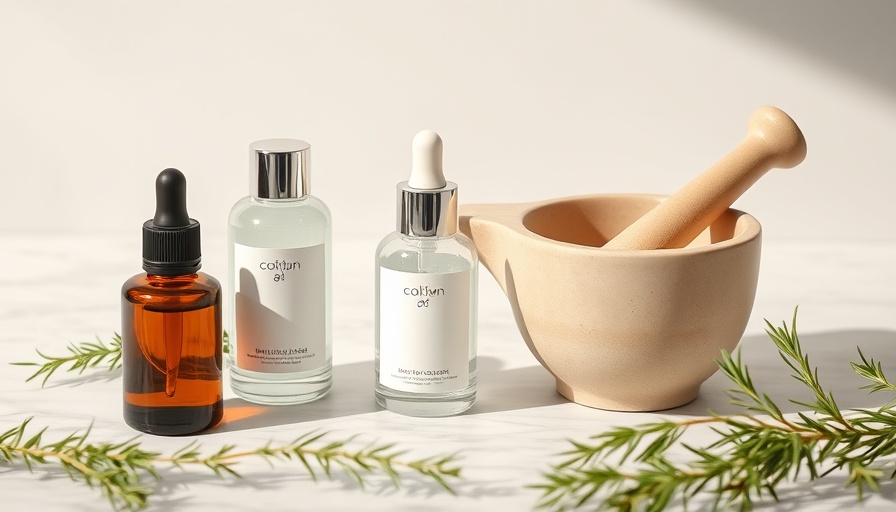
Minimalist anti-aging skincare set on marble surface.

Understanding the Shift in Skincare Philosophy

For many years, the term "anti-aging" has been a dominant and powerful force in the skincare industry, selling everything from products to procedures with the promise of turning back time. Yet, as societal perspectives on aging evolve, the narrative is shifting. It is crucial to delve into what this means for skincare lovers who cherish not just their skin’s current state, but also its long-term health.

Why Anti-Aging Isn’t the Goal Anymore

"Anti-aging" carries a weight that can be detrimental, implying that aging must be fought against and viewed as a disease. This perspective is not only unrealistic but can also overshadow the appreciation of natural beauty that comes with maturity. The fixation with finding quick fixes often results in the neglect of the skin's health, causing damage rather than fostering resilience. From harsh peels to aggressive treatments, many popular methods in the anti-aging sector can create a cycle of dependency on products that do not support sustainable skin practices.

The Rise of Pro-Aging: A New Philosophy in Skincare

As an alternative, the term "pro-aging" is gaining momentum. This concept invites skincare enthusiasts to embrace their skin’s journey through various life stages, emphasizing nourishment and longevity over intervention. It’s a movement that celebrates imperfections and embraces healthy, radiant skin at every age.

By focusing on empowering skin health rather than inhibiting aging, pro-aging nurtures deeper connections with our skin. Instead of simply smoothing out wrinkles, the goal is to enhance the skin's natural vitality. Formulations are now being developed with the aim of boosting collagen production gently and supporting the skin barrier to ensure it thrives long term.

The Future of Skincare: Focus on Longevity

This movement towards skin longevity aligns beautifully with the greater wellness trend. Wellness is not merely about products; it’s fundamentally about lifestyle. Incorporating a balanced diet, managing stress, and protecting the skin from sun damage are equally important components that contribute to skin longevity. Brands are starting to pivot towards ingredients that enhance cellular health, enabling the skin to naturally exhibit vitality rather than simply masking age through superficial solutions.

Ingredients That Support Aging Gracefully

A careful selection of ingredients can bolster this transition toward healthier skin. Peptides, for example, are becoming front-runners in this conversation, promising to enhance firmness and elasticity while being gentle on the skin.

Some effective options include:

  • Rhonda Allison Anti-Aging Peptide 38: A blend that targets firmness and minimizes fine lines.
  • Skin Script Peptide Restoration Moisturizer: Delivers hydration and elasticity, making it a staple for those looking to promote resilient skin.
  • Alana Mitchell Anti-Aging Peptide Eye Cream: Designed to specifically target fine lines around the eyes, bringing the power of peptides to delicate areas.

Building Community Through Shared Experiences

The mindset shift toward pro-aging isn’t just a solitary journey. It encourages a community built on sharing experiences and wisdom about skin health. Embracing aging can bring people together, as they share tips, tricks, and supportive insights, reflecting a collective desire to celebrate life's stages rather than fret over them.

Embracing the Future of Skin Health

With the push away from the harshness often associated with anti-aging products, skincare lovers can now find inspiration from the ethos of wellness. This encouraging shift recognizes that aging is a natural, beautiful process that warrants celebration rather than dread. As we champion these holistic approaches, we create a more inclusive community centered on empowerment and joy in self-care.

As consumers begin to question the effectiveness and implications of traditional anti-aging methods, they are met with a treasure trove of alternatives that honor the journey of aging. This exciting transition promises not just healthier skin but a healthier mindset, reflecting our collective values and aspirations.

Remember, no matter your age, your journey toward healthy skin begins with the choices you make today. So embrace this evolution in skincare by exploring new ingredients and helping to foster a community that values every stage of life!

Skin Care

0 Comments

Write A Comment

*
*
Please complete the captcha to submit your comment.
Related Posts All Posts
05.21.2026

Unveiling the Key Sun Care Myths: Protect Your Skin Effectively

Update The Truth Behind Common Sun Care Myths As summer rolls in, many of us eagerly anticipate sun-soaked days at the beach or lounging by the pool. But, along with that sunshine comes the critical need for sun protection. However, misinformation about sun care can leave us vulnerable to skin damage, premature aging, and even skin cancer. Recent discussions about sun safety have exposed a variety of myths that can harm our skin health. In this article, we will explore these misconceptions and arm you with the facts you need to stay safe while enjoying the sun. Myth 1: The Sun Is Only Dangerous When It’s Hot Many believe that they need to feel the heat of the sun to be at risk of UV damage. Unfortunately, UV rays are not tied to temperature; in fact, no one can feel them. Properly understanding UV exposure is essential for skin safety. According to Cancer Research UK, the sun's rays are most harmful when it’s at its highest in the sky, regardless of the air temperature. Check local UV indexes frequently to know when it's safe to be outdoors and when to seek shade. Myth 2: Darker Skin Doesn’t Need Sunscreen This common misconception can be detrimental even for those with darker skin tones. While it’s true that darker skin has more melanin, which provides some natural protection, it’s still susceptible to sunburn and long-term skin damage. The importance of applying sunscreen with at least SPF 30 cannot be overstated, as all skin types can experience harmful effects from UV rays. Myth 3: I Can Rely on My Makeup for Sun Protection It might be tempting to think that your SPF-infused makeup is enough protection for your skin, but this is rarely the case. You would have to layer on makeup to a degree that’s rarely practical to achieve the protective benefits listed on the label. It’s crucial to apply a dedicated sunscreen as well, particularly if you'll be spending extended time outdoors. Myth 4: Sunscreen Should Only Be Used During Summer Another prevalent but misguided belief is that sunscreen is unnecessary in the winter or on cloudy days. UV rays can impact your skin year-round, and up to 80% of UV rays can penetrate through clouds. Whether you're on a ski trip or enjoying a gloomy day at home, applying sunscreen should be a daily ritual. Myth 5: Applying More Sunscreen Will Extend Protection In reality, using more sunscreen does not extend the duration of sun protection. Regardless of the amount, it still needs to be reapplied every two hours to remain effective, especially after swimming or sweating. Consistent reapplication is key to maintaining defense against harmful rays. Actionable Insights: Steps for Effective Sun Protection Now that we've debunked several myths, let’s discuss effective steps to protect your skin this summer: Seek Shade: Aim to stay out of direct sunlight, especially between 10 AM and 4 PM when UV rays are strongest. Wear Protective Clothing: Choose lightweight and tightly woven fabrics, along with wide-brimmed hats and UV-blocking sunglasses to cover exposed skin. Use Broad-Spectrum Sunscreen: Apply water-resistant, broad-spectrum sunscreen with an SPF of 30 or higher regularly throughout your time in the sun. Understanding SPF Ratings and Sunscreens Choosing the right sunscreen can be overwhelming. However, understanding SPF ratings will help you make informed decisions about your sun care. Higher SPF numbers indicate better protection against UVB rays. Remember that a product labeled “water-resistant” is still not entirely impervious, and reapplication is essential for optimal skin defense. Natural sunscreens using zinc oxide and titanium dioxide can provide effective physical barriers against sun exposure. Emotional Connection: The Significance of Skin Care As beauty professionals and spa enthusiasts, embracing proper sun care goes beyond just skin health; it encompasses self-love and care. Each protective measure you take not only shields your skin but also reflects a commitment to your overall well-being and beauty journey. Empowering clients with accurate sun care knowledge fosters lasting relationships based on trust and shared values. Conclusion: Your Skin Deserves Protection Incorporating these facts into your sun care routine is vital for maintaining healthy skin and preventing sun damage. Take care with knowledge, and ensure you spread the word about these myths to friends and family to help protect everyone’s skin. When looking for tailored skincare or spa services, feel free to explore the various medical and beauty spas around Pittsburgh, such as Glow Medical Spa and Vio Med Spa, which offer treatments ensuring optimal skin health.

05.11.2026

Why Daily SPF Is a Must-Have for Skin Care Enthusiasts

Update Understanding SPF: The Key to Safe Sun Exposure When it comes to choosing the right sunscreen, SPF (sun protection factor) is often the first thing people look at. However, SPF measures protection only against UVB rays, which cause sunburns. If you're serious about skin care, including the importance of protecting against UVA rays—linked to premature aging and skin cancers—is crucial. A broad-spectrum sunscreen or one with the UVA seal is essential for comprehensive protection. Comparing SPF 30 and SPF 50: What You Need to Know Notably, the difference between SPF 30 and SPF 50 may seem minor, yet it can have significant implications for your skin health. SPF 30 theoretically allows 1/30th of UV rays to reach the skin, compared to 1/50th for SPF 50. However, practical application reveals that most people do not apply enough sunscreen to achieve the labeled SPF, underscoring the necessity of ample and frequent reapplication. The Importance of Daily SPF Use Many individuals think sunscreen is only necessary during beach trips or sunny days. This misconception can lead to unintended skin damage. UV rays are always present, even on cloudy days or during winter months. Integrating sunscreen into your daily routine is one of the simplest yet most effective steps to combat signs of aging and reduce skin cancer risks. Regular sunscreen usage is supported by scientific evidence, making it a non-negotiable aspect of skincare. The Dangers of UV Exposure Without Protection Failing to shield your skin from UV radiation can result in irreversible damage. This damage manifests as loss of skin elasticity, fine lines, and pigmentation disorders such as melasma. As noted by skin health authorities, consistent unprotected sun exposure not only leads to cosmetic concerns but also significantly increases the risk of developing skin cancers over time. How Much Sunscreen Do You Really Need? To benefit fully from any sunscreen, application quantity matters immensely. The popular 'two-finger rule' suggests using about 1.2 grams for facial coverage, while a shot glass-full is recommended for body coverage. Yet, studies show that most people apply insufficient amounts, lowering their effective protection drastically. So, remember: go generous with your application for adequate UV protection! Reapplication Responsibilities: Keeping Your Skin Safe Another essential point is reapplication. Sunscreen should be reapplied every two hours when outdoors, or immediately after swimming or sweating. Overlooking this practice can significantly diminish your sun protection effectiveness. Regular reapplication is not merely a suggestion; it's a fundamental step in responsible skincare. Avoiding Common Sunscreen Missteps Many people unknowingly compromise their sun safety through common mistakes. These include using inadequate amounts of product or forgetting to consider factors like skin type and environmental influences that can affect sunscreen efficacy. Understanding these pitfalls is key for anyone aiming to maintain healthy skin. Enhancing Teamwork in Your Skin Care Routine: What Beauty Professionals Say Beauty experts emphasize the crucial role of combining daily sunscreen use with comprehensive skincare routines, including moisturizers and antioxidant serums. This synergy not only enhances skin hydration but also helps fend off oxidative stress caused by sun exposure. Making Sunscreen a Lifestyle Lastly, making sunscreen a non-negotiable part of your daily lifestyle is vital. As skincare professionals advocate, prioritizing sun safety will lead to long-lasting benefits. With options like med spas offering dedicated skincare advice and products tailored for various skin types, it's easier than ever to keep your skin luminous and protected. Don’t wait; it's time to embrace sun protection as a lifestyle standard rather than a seasonal afterthought! For those in Pittsburgh seeking tailored skincare solutions, exploring the offerings of local medical spas can provide personalized recommendations to meet your unique skin care needs.

05.01.2026

Unlock Radiant Skin: Fading Hormonal Hyperpigmentation Naturally

Update Understanding Hormonal Hyperpigmentation: The Basics Hormonal hyperpigmentation often manifests as dark patches on our skin, particularly for women experiencing changes in hormone levels due to pregnancy, oral contraceptives, or menopause. Known commonly as melasma, this condition can be exacerbated by sun exposure and factors like stress and inflammation. Recent years have seen a surge in interest around natural remedies that promise to help fade these unwanted dark spots gently and effectively. Gentle Yet Effective Natural Remedies Before diving into specific remedies, it's essential to appreciate that achieving a "glass skin" effect—characterized by clarity and radiance—requires a commitment to a consistent skincare routine. Natural ingredients are favored not only for their effectiveness but also for their lower risk of side effects compared to medical spa treatments. Ingredients like aloe vera, for instance, contain aloin, which can inhibit melanin production and lighten pigmentation over time. Applying pure aloe gel twice daily can yield noticeable improvements after a few weeks. The Power of Vitamin C in Skincare First among natural remedies for hyperpigmentation is vitamin C, heralded for its brightening properties. Whether sourced from fresh lemon juice or a vitamin C serum, its potency lies in its ability to promote skin renewal. Users should dilute lemon juice to avoid potential irritation and always apply sunscreen post-application, as fresh vitamin C can make the skin susceptible to sun damage. Alongside, opting for professional-strength vitamin C from med spas can enhance absorption, providing that extra clarity needed for glowing skin. Create Your Skincare Routine: Daily and Weekly Practices To tackle hormonal hyperpigmentation effectively, it's vital to establish a structured skincare regimen. Each morning, cleanse your face gently and apply a brightening treatment followed by sunscreen. Sunscreen is your best ally against hyperpigmentation. In the evenings, cleanse and apply nourishing oils like rosehip or argan oil to enhance skin repair overnight. Weekly, consider using a mild exfoliant—natural exfoliating masks made from ingredients like oatmeal or yogurt can help remove dead skin cells and reveal fresher, more radiant skin beneath. When to Seek Professional Guidance While natural remedies can be incredibly beneficial, know when it's time to consult a specialist, particularly when faced with persistent stubborn spots. Advanced treatments available at medical spas can target tougher cases more effectively and safely. In Pittsburgh, options abound in facilities like Vio Med Spa or Med Spa Pittsburgh, offering skin rejuvenation treatments designed to complement your at-home routine. Nourishing Your Skin from Within Your skincare journey ought to extend beyond topical treatments. Exploring anti-inflammatory diets rich in antioxidants can make a significant difference in enhancing skin health. Incorporate a variety of fruits, vegetables, and healthy fats that provide vital nutrients necessary for skin regeneration. Likewise, staying hydrated supports overall skin function, so don't neglect your water intake. Final Thoughts: Embrace Your Journey to Radiance Achieving luminous skin free from hormonal hyperpigmentation is a journey that requires patience and dedication. The natural skincare approaches outlined above reveal the benefits of consistency and good sun practices, with many seeing results after a few months of dedicated care. Set realistic expectations, stay informed about concerning changes in your skin, and remember that everyone's experience is unique. With a holistic approach spanning diet, regular skincare, and occasional professional treatments, you're well on your way to unveiling a brighter, more even complexion. Finally, if you're seeking expert treatment options that complement your skincare endeavors, consider exploring the vibrant med spa community in Pittsburgh, where specialized services await.

Terms of Service

Privacy Policy

Core Modal Title

Sorry, no results found

You Might Find These Articles Interesting

T
Please Check Your Email
We Will Be Following Up Shortly
*
*
*