
Add Row
Add Element
UPDATE
Add Element
  • Home
  • Categories
    • Health
    • Wellness
    • Celebrity Gossip
  • Healthy Recipes
  • Med Spa Treatments
  • Skin Care
  • MakeUp
  • Medspa spotlight
June 12.2025
3 Minutes Read

Unlocking the Secrets of Turmeric for Hair Growth: Benefits and Application

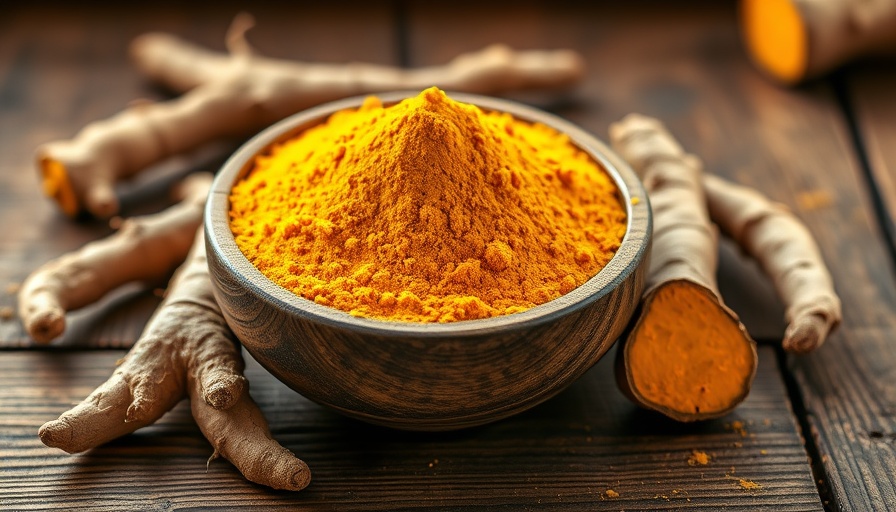
Turmeric roots and powder for hair growth on wooden table

The Golden Spice: Unveiling Turmeric’s Power for Hair Growth

Turmeric, often recognized as the bright yellow spice used in various cuisines, is more than just a flavorful addition to your meals. For centuries, it has been hailed in traditional medicine for its unique healing properties, attributed to curcumin—a potent compound known for its anti-inflammatory and antimicrobial characteristics. As beauty professionals and spa enthusiasts explore natural alternatives for hair care, turmeric has garnered attention for its potential benefits in promoting healthy hair growth.

Understanding Turmeric: A Brief Overview

Originating from the Curcuma longa plant, turmeric is commonly referred to as “Indian saffron” and primarily grows in India's warm regions. Beyond its culinary uses, turmeric has been traditionally valued in various cultures for its ability to alleviate swelling, combat infections, and bolster overall health. Today, this vibrant spice is making waves in the beauty industry for its remarkable implications for hair care.

Why Turmeric? The Benefits for Hair Care

Turmeric's powerful properties offer a multitude of benefits for both the scalp and hair. This section breaks down how turmeric can positively impact your hair routine:

1. Reducing Hair Loss Effectively

One of the primary concerns for many seeking to enhance their hair care regimen is hair loss. Turmeric may hold the key to addressing this issue. Its anti-inflammatory qualities help combat scalp inflammation, a major contributor to hair thinning. A significant study published in the Journal of Controlled Release in 2021 highlighted that when curcumin is delivered in nanocrystal form, it effectively penetrates hair follicles, providing deeper treatment for inflammation. As a result, it promotes healthier hair growth and creates a nourishing environment for strands to thrive.

2. Fostering a Healthy Scalp

Many struggle with dandruff due to an irritated scalp, often exacerbated by the fungal growth of Malassezia. Turmeric's antifungal and anti-inflammatory properties can help mitigate dandruff by soothing the scalp and reducing itching. Spa professionals suggest incorporating turmeric into hair masks or using turmeric-infused oils to maintain a healthy scalp, thus creating an ideal foundation for hair growth.

3. Shielding Hair from Environmental Damage

Modern lifestyles expose hair to pollution, UV rays, and harsh weather conditions, leading to hair weakness and damage. Turmeric's antioxidant capabilities offer crucial protection against these environmental stressors. By using products infused with turmeric, consumers can combat the effects of free radicals and promote overall hair resilience.

Incorporating Turmeric into Your Hair Care Routine

With its growing popularity, integrating turmeric into your hair care rituals becomes easier. Here are practical tips to harness its benefits:

DIY Turmeric Hair Masks

Creating a hair mask with turmeric is an effective way to incorporate its benefits into your routine. Combine 1 tablespoon of turmeric powder with coconut oil and honey for a nourishing mask. Apply it to the scalp and hair, leave it on for 30 minutes, and then rinse thoroughly. This mask not only nourishes but also helps to maintain a balanced scalp.

Turmeric-Infused Oils

For a more convenient option, consider turmeric-infused oils. Many brands now offer oils that combine turmeric with other beneficial ingredients like jojoba or argan oil, providing a deep-conditioning treatment that nourishes the hair while protecting it from environmental hazards.

The Future of Hair Care and Turmeric

As awareness of natural remedies grows, the potential for turmeric in hair care seems poised for expansion. Despite limited direct scientific evidence, the centuries-old practice of using turmeric for health speaks volumes. Innovations in delivery methods, such as nanotechnology, can enhance turmeric’s effectiveness, leading to new products that could revolutionize hair care.

Final Thoughts: Embrace the Turmeric Trend

For beauty professionals and spa enthusiasts, turmeric represents a dual opportunity: as an effective remedy for common hair issues and a natural ingredient that aligns with the growing demand for holistic wellness. By embracing turmeric in hair care routines, consumers can foster healthier hair growth while contributing to sustainable beauty practices. So, why not tap into the ancient wisdom of turmeric today?

If you’re eager to explore the benefits of turmeric further, consider bringing this golden spice into your beauty regimen. With its promising properties, turmeric could be your next go-to for nurturing gorgeous, healthy hair.

Health

0 Comments

Write A Comment

*
*
Please complete the captcha to submit your comment.
Related Posts All Posts
04.02.2026

Why Erythritol Might Not Be the 'Safe' Sweetener You Think

Update Rethinking the 'Safe' Sweetener: Erythritol Under Scrutiny Erythritol has enjoyed a stellar reputation as a go-to sweetener, especially in sugar-free and keto products, marketed widely as a healthier alternative to conventional sugar. However, recent studies are shining a light on the darker side of this popular sugar alcohol. As health-conscious individuals, it’s crucial to understand how erythritol may impact our well-being. The Crux of the Concern: Erythritol's Health Risks Emerging research indicates that erythritol is not the benign sweetener we once thought. Scientists from reputable institutions like the Cleveland Clinic have found alarming links between erythritol consumption and increased cardiovascular risks. Key findings suggest that erythritol may promote blood clotting, impair blood vessel function, and even elevate the likelihood of heart attack and stroke. In fact, having high erythritol levels in the blood raises the risk of major cardiovascular events significantly! Understanding Sugar Alcohols: Erythritol vs. Other Sweeteners As a sugar alcohol, erythritol shares some similarities with other sweeteners like xylitol and sorbitol. While many consumers perceive these sweeteners as healthier alternatives, the cumulative evidence suggests that their long-term effects could be harmful. Not only can high doses lead to digestive issues such as bloating and diarrhea, but they may also carry risks that conventional sugar does not. Gut Health and Beyond: Hidden Dangers People are often drawn to sugar alcohols because they provide sweetness without the calories, making them staples in diet foods and keto products. However, the digestive complications associated with erythritol, including bloating and IBS-like symptoms, are often overlooked. Such gastrointestinal disturbances can deter many from regularly consuming foods containing erythritol, especially those already struggling with gut conditions like Crohn's disease or ulcerative colitis. What’s in Your Food: The Erythritol Dilemma One of the challenges consumers face is identifying foods that contain erythritol. Although the FDA designates it as Generally Recognized as Safe (GRAS), manufacturers are not required to disclose its presence on nutrition labels, making it easy to unknowingly ingest harmful doses. Products labeled as 'sugar-free' or 'keto-friendly' often contain hidden erythritol, complicating the decision-making process for health-conscious eaters. What Are the Alternatives? Fortunately, there are safer alternatives to erythritol that can satisfy your sweet tooth without jeopardizing your health. Natural sweeteners like pure stevia extracts and monk fruit offer a healthier option, as they do not carry the risks linked to erythritol. At the same time, using small amounts of traditional sugars like honey or maple syrup might be less harmful than opting for sugar substitutes that may induce health complications. Expert Recommendations: Steps to Safer Sweetening Staying informed about the sweeteners in our diet is crucial for our long-term health. Consulting with healthcare providers or certified dietitians can be beneficial for those looking to manage conditions like type 2 diabetes or metabolic syndrome, as they can offer tailored advice on balancing sweetness with health risks. Reading labels attentively and prioritizing whole, unprocessed foods is equally important to mitigate health risks associated with artificial sweeteners. Conclusion: Choose Wisely for Health Ultimately, as we're faced with various options in the sweetener market, it's vital to choose wisely. Rethinking our approach to sweeteners like erythritol could lead to healthier outcomes. By prioritizing whole foods and natural sweeteners, we can make informed decisions that contribute positively to our overall well-being. Learning about the impacts of what we consume, like erythritol, empowers us to make better choices for our long-term health. Don’t hesitate to reach out to your healthcare provider for further guidance on sugar substitutes and nutrition. Your health journey starts with informed choices!

03.25.2026

Strategies to Preserve Cognitive Function as You Age: Insights from Tommy Wood

Update Preserve Your Cognitive Function as You Age As we navigate through life, keeping our minds sharp is as crucial as maintaining physical health. Dr. Tommy Wood, a prominent neuroscientist, emphasizes that cognitive decline isn’t an inevitable fate of aging but something we can actively combat. In his discussions with Chris Kresser, Dr. Wood presents a refreshing perspective on how following specific lifestyle changes can play a significant role in preserving cognitive abilities as we age. Understanding Cognitive Decline Dr. Wood’s insights revolve around the idea that much of dementia is preventable. According to the Lancet Commission, targeting fourteen lifestyle factors could prevent up to 45% of dementia cases. These lifestyle elements include proper nutrition, exercise, social interactions, and mental challenges, proving that proactive measures can reduce the risk of cognitive decline. The 3S Model of Brain Health Dr. Wood introduces his 3S model of brain health: Stimulation, Sleep, and Safety. Stimulation entails engaging in mentally challenging activities, such as learning new skills or playing strategy-based games, which helps build cognitive resilience. A focus on quality sleep is critical, too, as studies show adequate rest supports memory consolidation and overall brain function. Exciting Food Choices for Brain Health Diet plays a pivotal role in brain health. Adopting a colorful diet rich in flavonoids—found in fruits and vegetables like blueberries, apples, and citrus—can bolster cognitive health, as suggested by research detailed in an article by Harvard T.H. Chan School of Public Health. These nutrients work as antioxidants, protecting brain cells from damage. Incorporating foods rich in omega-3 fatty acids, like fatty fish and flaxseeds, as well as vitamins B and D, is also crucial. These components create a solid foundation for cognitive longevity and optimal brain function. Physical Activity and Mental Sharpness The benefits of regular physical activity extend beyond cardiovascular health; exercise is vital for maintaining cognitive function. Engaging in activities that promote both coordination and social interaction—like team sports or dance—has shown remarkable efficiency in enhancing brain health. Dr. Wood’s emphasis is that it's not merely about the type of exercise but also the complexity it presents. Activities that integrate physical and mental skills lead to better cognitive outcomes than monotonous routines. Importance of Lifelong Learning and Social Connections One of the often-overlooked aspects of aging is the role of social connection. As people retire and may experience a decline in social engagement, they can become more isolated, leading to an increased risk of cognitive decline. Engaging with friends, family, or community groups fosters mental stimulation and emotional support, which are essential in retaining cognitive vitality. By embracing new hobbies or volunteer opportunities, individuals can sustain robust mental health. Overcoming Misconceptions about Aging and Dementia Dr. Wood’s discussions aim to debunk the notion that cognitive decline is an unavoidable part of aging. Instead, research underscores the value of active participation in one’s health journey. From prioritizing cognitive engagement to adopting healthier lifestyles, individuals can significantly alter their cognitive trajectories. Take Action for a Better Tomorrow It’s essential for health-conscious individuals to recognize that making informed dietary choices and staying socially active can profoundly impact cognitive longevity. The earlier you start to make these changes, the better. Consider setting small, achievable goals to incorporate more brain-healthy practices into your routine. Ultimately, staying proactive about brain health not only combats potential decline but enriches your quality of life. Exploring discussions and resources on brain health, such as Dr. Wood’s The Stimulated Mind, can provide further insights into preserving cognition as you navigate through life.

03.18.2026

Challenging the Plant-Based Longevity Myth: What Recent Studies Show

Update Rethinking Plant-Based Diets: The Latest Findings on Longevity A new study is turning heads in the world of nutrition by challenging the long-held belief that plant-based diets are the golden key to longevity. For health-conscious individuals who are keen on fitness and beauty, understanding the implications of this research is crucial for making informed dietary choices. Why the New Study Matters The study in question followed over 5,000 Chinese adults aged 80 and older, examining their diets and longevity over a span of up to 20 years. The results were unexpected: vegetarians, particularly vegans, had significantly lower odds of reaching age 100 compared to omnivores. This runs counter to popular narratives that champion plant-based diets as inherently beneficial for long life. Key Nutrients and Longevity: What’s Missing? One of the primary concerns raised by the study is the nutrient deficiency that can accompany strict vegetarian and vegan diets. High-quality protein and other essential nutrients are less bioavailable in plant sources. For example, nutrients like vitamin B12, iron, and omega-3 fatty acids are challenging to obtain from plant foods alone. The study indicates that as individuals age, particularly those who are underweight, the need for these nutrients becomes even more critical. Without sufficient intake, the risk for conditions like muscle loss (sarcopenia) and decreased bone density increases, which can ultimately affect longevity. Balancing Plant and Animal Foods for Optimal Health Chris Kresser, who presented this study, advocates for a balanced approach to diet that includes both plant and animal foods. He emphasizes the "nutritional synergy" that occurs when both food types are consumed. This perspective aligns with findings from other studies, such as those from Harvard, indicating that shifting calorie intake from animal protein to plant protein can have beneficial health outcomes—just not at the extreme of eliminating animal products entirely. Counterarguments: The Case for Plant-Based Diets While the recent study raises valid points about the potential downsides of plant-based diets, it’s important to consider supportive evidence. Studies from the EPIC-Oxford cohort found that plant-based eaters have lower risks for several diseases, including ischemic heart disease and type 2 diabetes. However, the challenge remains: how can one prioritize nutrient-rich plant foods without sacrificing essential nutrients? Practical Guidance for Health-Conscious Consumers For those looking to optimize their diets for both health and longevity, incorporating a mixture of nutrient-dense food sources is key. Here are some practical tips: Include a Variety of Proteins: Combine plant proteins like legumes and nuts with high-quality animal proteins like fish and poultry. This helps achieve a well-rounded amino acid profile. Choose Fortified Foods: Whenever possible, include fortified foods or supplements to ensure adequate intake of vitamin B12, vitamin D, and other essential nutrients. Listen to Your Body: Individual dietary needs can vary significantly; it's essential for every person to assess how their body responds to different food sources. Final Thought: The Ongoing Debate The conversation around dietary choices and longevity is far from settled. Should you embrace a plant-based diet, incorporate more animal products, or strive for a balanced omnivorous approach? Ultimately, the best strategy may vary from person to person. By staying informed and flexible, you can tailor your dietary choices to not only enhance your longevity but also your overall wellness. For a healthier and longer life, consider blending the best aspects of both dietary philosophies. Engaging with a healthcare professional can provide personalized insights to help navigate the complex landscape of nutritional choices. If you’re keen on making informed dietary changes, explore more personalized health resources and consult with a physician regarding your nutrient requirements. Small adjustments today can lead to substantial health outcomes tomorrow.

Terms of Service

Privacy Policy

Core Modal Title

Sorry, no results found

You Might Find These Articles Interesting

T
Please Check Your Email
We Will Be Following Up Shortly
*
*
*